
By Agency 310, with GrowthAgents AI
Illustrative scenario. This is a composite, not a client story. The people, firms and outcome are invented. Only the footnoted statistics are real.
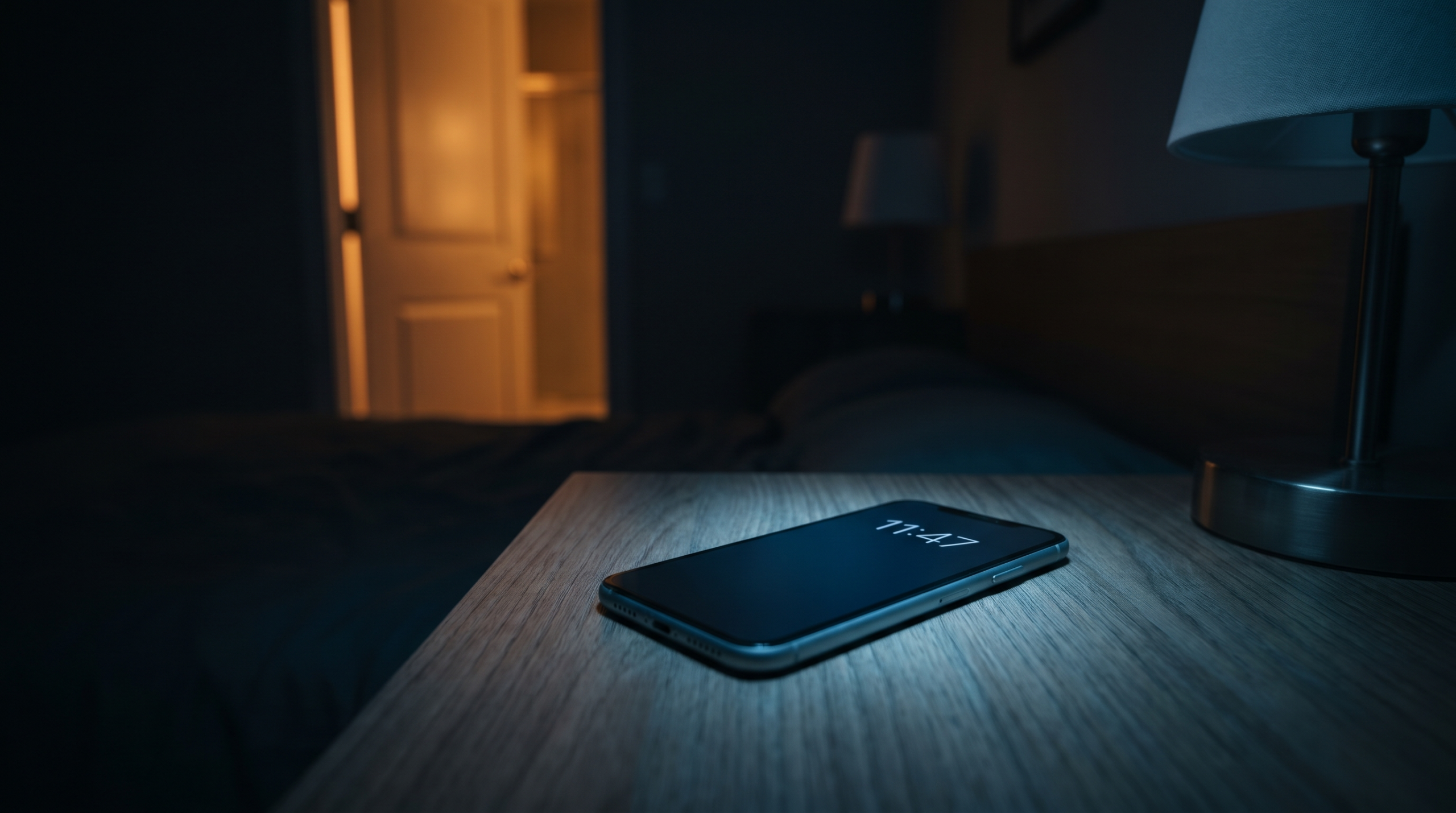
Dana is rear-ended on her way home. At 11:47 that night she asks an AI assistant which lawyer near her handles car accident claims. Two firms in her city could come up. Here is the next ten hours at each.
One prospect, two firms, one night
Firm A answers on the next business day. Firm B uses AI-assisted intake with a person supervising every step.
| Time | Firm A | Firm B |
|---|---|---|
| 11:47 PM | Dana asks an AI assistant for a lawyer. Firm A may or may not be named. | Same question. Firm B’s profile, directory listings and schema markup are complete. |
| 11:52 PM | She fills out the form and sees “we’ll respond in 1 business day.” | She gets an instant text and email saying a person will follow up, that Firm B is not yet her lawyer, and that no attorney-client relationship exists yet. |
| 11:55 PM | She calls and reaches voicemail. | An intake assistant collects facts only, flags urgency and books a consult slot. |
| 7:30 AM | Nothing. | An attorney or trained staff member reads the summary and checks conflicts. |
| 9:00 AM | A callback attempt. | A retainer goes out for e-signature. |
| 9:40 AM | Dana has already hired someone else. | The consult is held. |
Firm B’s assistant never gave Dana legal advice, never promised an outcome and never called her a client. It collected facts and booked time with a person. A lawyer made every decision that mattered.
The real numbers behind it
The scenario is invented. These figures are not. Each describes law firms in general, not Firm A or Firm B.
| Figure | What it measured | Source |
|---|---|---|
| 40% | Firms that answered the phone. 52% answered or called back. | Clio 2024 secret shopper, 500 firms |
| 13 minutes | Median reply to a web form. 26% had no reply within seven days. | Hennessey Digital 2025, 1,333 firms |
| 50.1% | Consumers who say they would use an AI tool to research a firm. Stated intent, directional only. | iLawyerMarketing 2026, n=1,110 |
| 10%, 7%, up to 5% | Conversion lift at firms using e-signatures, text messaging and online intake forms. Correlation. | Clio 2025 Solo and Small Firms |
The leak math
Monthly leads x share left unanswered x sign rate x average fee = monthly fees at risk. Fill in your own numbers.
Hypothetical example: 40 leads a month, 26% unanswered (the Hennessey share with no reply in seven days), a 20% sign rate and a $5,000 average fee gives 40 x 0.26 x 0.20 x $5,000 = $10,400 a month. The sign rate and fee are invented for the example.
What the rules say
Oregon State Bar Opinion 2026-208 covers AI chatbots and agents used for intake. It recommends clear disclaimers, prompt lawyer review of chatbot communications, lawyer approval before autonomous actions such as sending an engagement letter, and prompt entry of prospective clients into conflict systems. It also says a chatbot must not give legal advice. ABA Formal Opinion 506 covers human nonlawyer intake staff and calls for training and supervision. ABA Formal Opinion 512 covers generative AI use generally. The TCPA applies to calls that use AI voices, so get consent before calling or texting.
Common questions
Is the 11:47 PM scenario a real case?
No. It is an illustrative composite. The people, firms and outcome are invented to show how response timing changes what happens. Only the footnoted statistics are real.
Can an AI intake assistant give legal advice?
No. Oregon State Bar Op. 2026-208 says a chatbot must not give legal advice and recommends disclaimers, prompt lawyer review and conflict entry. ABA Formal Opinion 506 calls for training and supervision of intake staff. The assistant collects facts. A lawyer or trained staff member decides what happens next.
Test your own firm
Run the five-minute leak test. Submit a form to your own firm at 11:47 PM and time the first human reply.